
EWEB and the UO launch energy generation pilot project
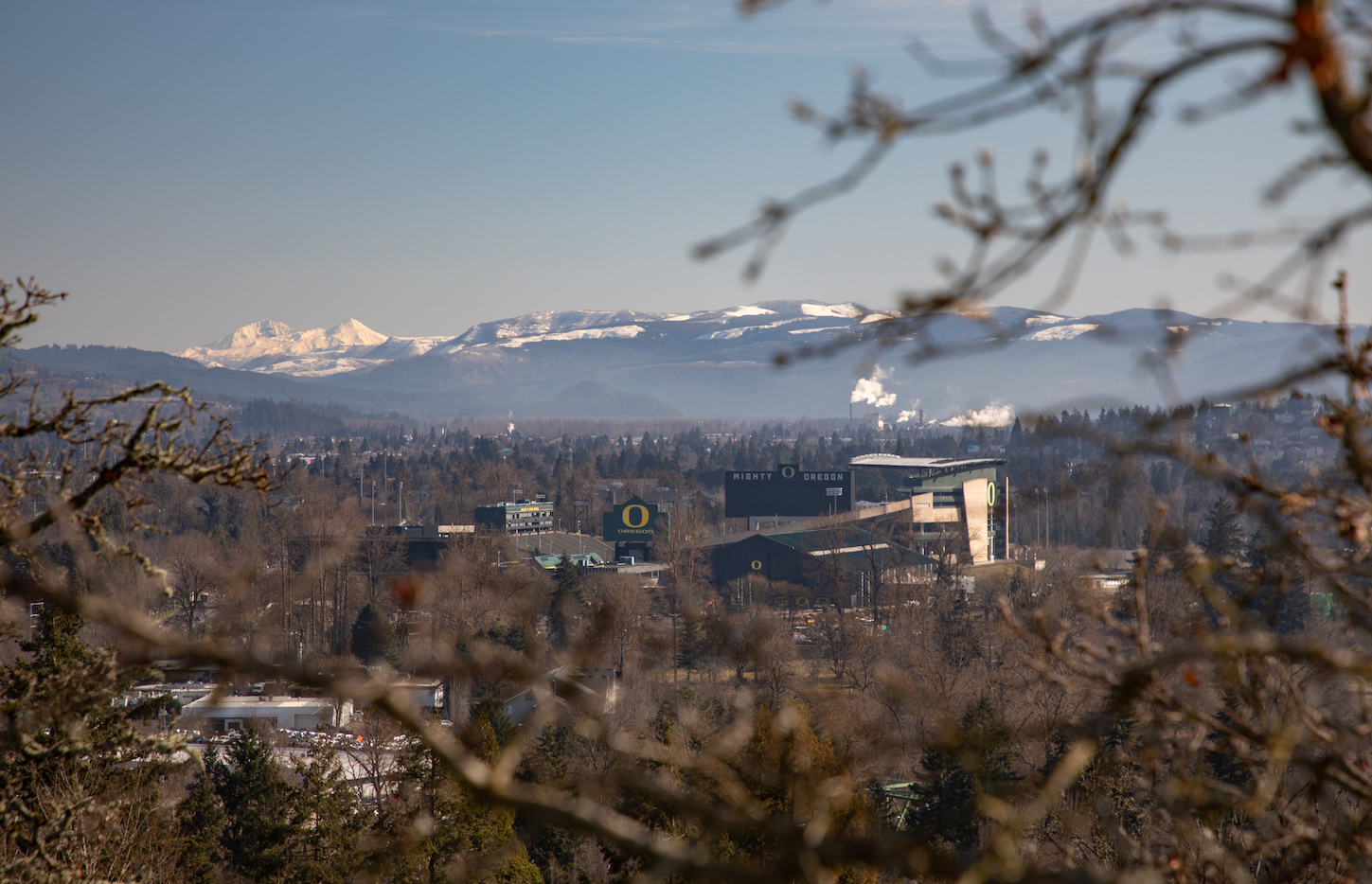
EWEB and the University of Oregon (UO) are launching a pilot project to better understand if running UO’s on-site natural gas generator in the coldest winter months can bolster grid reliability when demand for energy across the region is high.
EWEB predicts that running the generator during the winter will provide an essential source of reliable energy at times of high demand, while also reducing costs for both organizations and displacing less efficient and more carbon-intensive natural gas generators elsewhere in the region.
The pilot project will give EWEB and the UO the data needed to assess those predictions. The pilot project will also help the two organizations to develop workflows, processes and protocols for operating the generator, including assessing how quickly it can ramp up.
The UO’s Central Power Station has a highly efficient combined heat and power plant. UO will use the steam to heat campus buildings and EWEB will purchase the electricity. The generator can produce up to 10.6 megawatts of energy, or about 2% of EWEB customers’ energy demand during the highest hour of demand of the whole year. That’s roughly enough to power about 2,000 homes during a winter cold snap.
The UO’s gas generator is more efficient than many other gas plants in the region. Plus, it produces steam, which is used to heat buildings on campus.
“Because the UO generators can create both electricity and heat, it’s essentially a buy-one-get-one deal,” said EWEB Chief Energy Resources Officer Brian Booth. “That kind of efficiency is unique. If we can run the UO’s generators rather than purchase energy from a less efficient, more polluting power plant elsewhere, we view that as a smart climate move for our community.”
The current UO generator was installed in 2011. Since 2016, due to changing energy market conditions, UO has positioned it as a backup to EWEB power.
The pilot project grants EWEB the right to run the generator on and off in January and February, the coldest months of the year when energy demand is highest. To determine when to turn the generator on and off, EWEB will assess regional power supply conditions.
Over the course of the year, hydropower supplies approximately half of the energy in the region, and 80% of EWEB’s energy. Nuclear, biomass, wind, natural gas, coal and smaller amounts of other resources also contribute. But during the darkest, coldest days of the year, energy demand spikes while weather-dependent sources such as wind and solar often bottom out. On those days, grid operators turn to gas plants to fill the gap.
Region-wide energy shortages loom under extreme conditions.
As a local power source that is not dependent on fickle weather conditions, the UO generators can also help keep the lights on when regional energy shortages threaten the grid.
Initial results from a 2025 study conducted by the consulting firm Energy and Environmental Economics (E3) have found that the Greater Northwest — a region that includes Oregon, Washington, Idaho, Montana, Wyoming and parts of a couple other states — could face a shortfall of 9 gigawatts of electricity during extreme conditions by 2030. That’s the equivalent of the energy demand of the entire state of Oregon.
The shortfalls could occur if an extended, days-long cold snap strikes during a dry year in which river flows are low, constraining the region’s hydropower resources. Smaller shortfalls are possible as soon as 2026, making the need for the UO’s generator units especially acute.
“The key to fighting the climate crisis is to electrify as many energy uses as possible, including home heating and transportation. But for customers to feel confident switching from fossil fuels to clean electricity, that electricity needs to be reliable and affordable,” Booth said. “By making the UO’s generators available to the grid, Eugene can help maintain regional reliability and affordability as the electric sector continues to decarbonize.”
“If the cost of enabling our customers to not burn gas all year is that utilities need to burn gas for a few weeks out of the year, then that’s an exceptionally low price to pay,” Booth added.
Power Supply
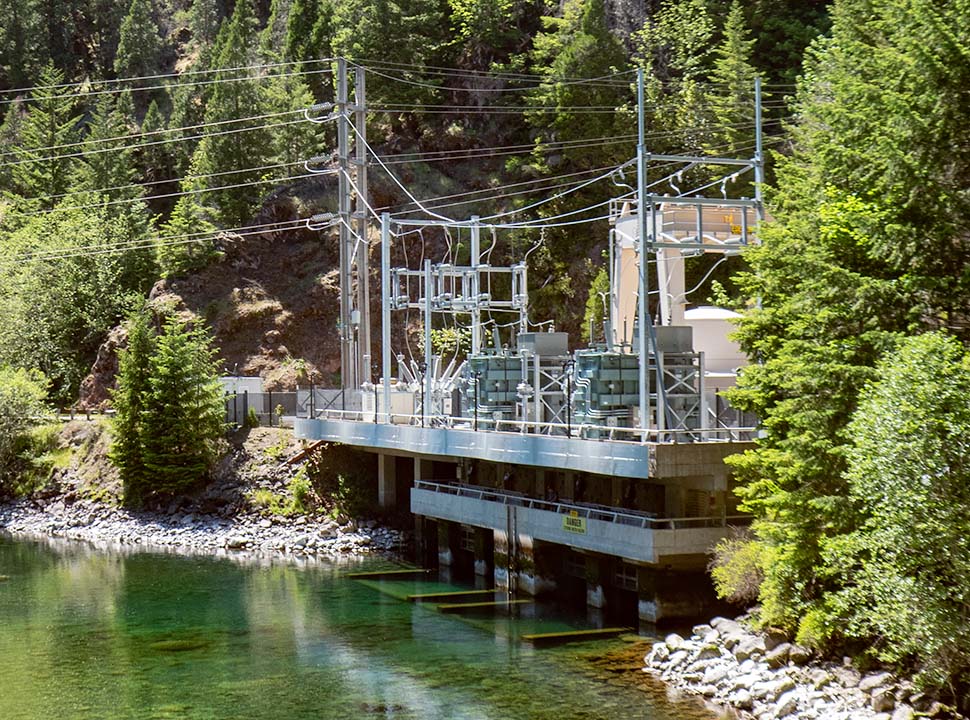
Our power supply
Learn more about where your electricity comes from.
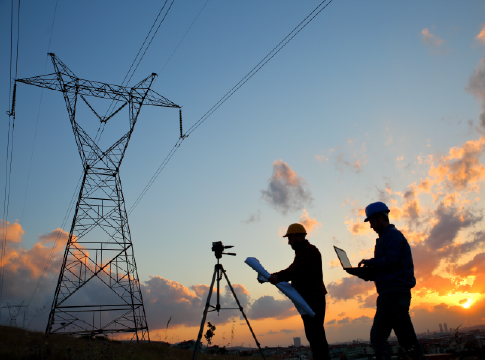
Energy Supply Planning
EWEB’s energy supply planning process examines possible energy resource portfolios with a goal of creating useful insights for long-term (20-year) electricity supply planning decisions.

Understanding peak power
Managing peak electricity demand is a critical component of achieving climate recovery goals and keeping energy affordable for all customers.